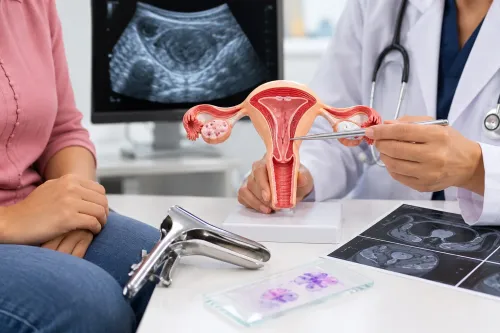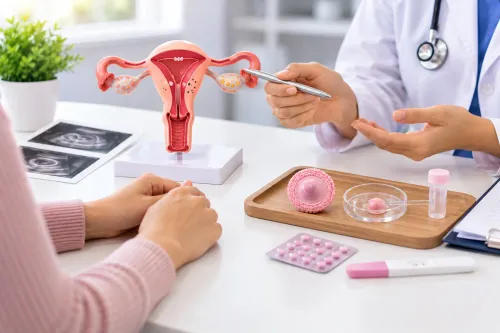

Choosing a contraceptive method is a personal healthcare decision that depends on age, lifestyle, medical history, and future pregnancy goals. With several safe and effective options available today, women and couples no longer need to rely on guesswork or outdated information. Professional guidance helps ensure that the selected method matches individual health needs while providing reliable pregnancy prevention.
Many couples in Nashik seek contraception services not only to delay pregnancy but also to plan their families responsibly. Consulting a qualified gynecologist allows them to understand the benefits, limitations, and suitability of different contraceptive methods before making a decision.
Why Professional Contraceptive Counseling Matters
Contraception is not a one-size-fits-all solution. A method that works well for one person may not be appropriate for another due to medical conditions, hormonal factors, or future fertility plans.
A consultation with a gynecologist considers factors such as:
- Age and reproductive goals
- Overall health
- Menstrual history
- Existing medical conditions
- Previous pregnancies
- Lifestyle preferences
- Desired duration of contraception
Personalized advice helps reduce the risk of complications while improving satisfaction with the chosen method.
Common Contraceptive Options
Modern contraception offers several temporary and permanent choices.
Some commonly recommended methods include:
Oral Contraceptive Pills
Birth control pills regulate hormones to prevent pregnancy. They are effective when taken consistently and may also help manage painful or irregular menstrual cycles in selected women.
Intrauterine Devices (IUDs)
Copper and hormonal IUDs provide long-term contraception without requiring daily attention. They are suitable for many women who want highly effective, reversible birth control.
Barrier Methods
Condoms remain one of the most accessible contraceptive options. Besides preventing pregnancy, they also reduce the risk of sexually transmitted infections.
Injectable Contraceptives
Hormonal injections provide pregnancy protection for several weeks or months, making them convenient for women who prefer not to take daily medication.
Contraceptive Implants
These small devices are placed beneath the skin and provide long-lasting contraception while remaining reversible.
Factors to Consider Before Choosing a Method
Selecting contraception involves more than effectiveness alone.
Important considerations include:
- Future pregnancy plans
- Convenience of use
- Hormonal versus non-hormonal preference
- Existing health conditions
- Possible side effects
- Breastfeeding status
- Age
- Smoking history
Discussing these factors with a healthcare provider helps identify the safest and most practical option.
Common Misconceptions About Contraception
Several myths continue to discourage couples from using contraception appropriately.
Some common misconceptions include:
- Contraceptives always cause infertility.
- Birth control pills permanently affect hormone balance.
- Every woman experiences significant weight gain.
- Long-term contraception prevents future pregnancy.
In reality, most contraceptive methods are reversible, and fertility generally returns after discontinuation, depending on the chosen method.
When Should You Seek Medical Advice?
Consult a gynecologist if you:
- Need contraception after childbirth
- Experience side effects from your current method
- Have irregular bleeding
- Have medical conditions such as diabetes or hypertension
- Want to switch contraceptive methods
- Are planning pregnancy after stopping contraception
Professional evaluation ensures safe transitions between contraceptive options.
Can Contraception Support Women's Health?
Certain contraceptive methods offer benefits beyond pregnancy prevention.
Depending on individual circumstances, they may help:
- Regulate menstrual cycles
- Reduce heavy bleeding
- Improve painful periods
- Manage hormonal disorders
- Lower the risk of certain gynecological conditions
These additional benefits should always be discussed with a qualified gynecologist before starting treatment.
Finding Reliable Contraception Services in Nashik
Access to comprehensive contraceptive counseling helps women and couples make informed reproductive health decisions. Bagul Nursing Home and Dr. Bagul's Hope IVF Center provides individualized contraception services after evaluating each patient's medical history, reproductive goals, and lifestyle requirements.
Choosing contraception with professional guidance allows couples to plan their families confidently while protecting long-term reproductive health and overall well-being.
Keywords