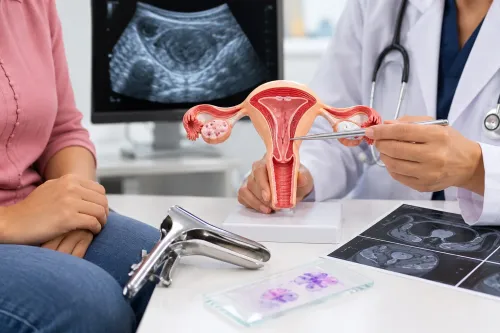
Hearing that you have an ovarian cyst can be worrying, but most ovarian cysts are harmless and resolve naturally without treatment. The key is understanding which cysts simply require observation and which may need medical intervention. Recognizing the warning signs early helps women protect their reproductive health while avoiding unnecessary anxiety.
Women throughout Nashik are becoming more proactive about routine gynecological care, allowing many ovarian cysts to be detected before they cause significant complications.
What Is an Ovarian Cyst?
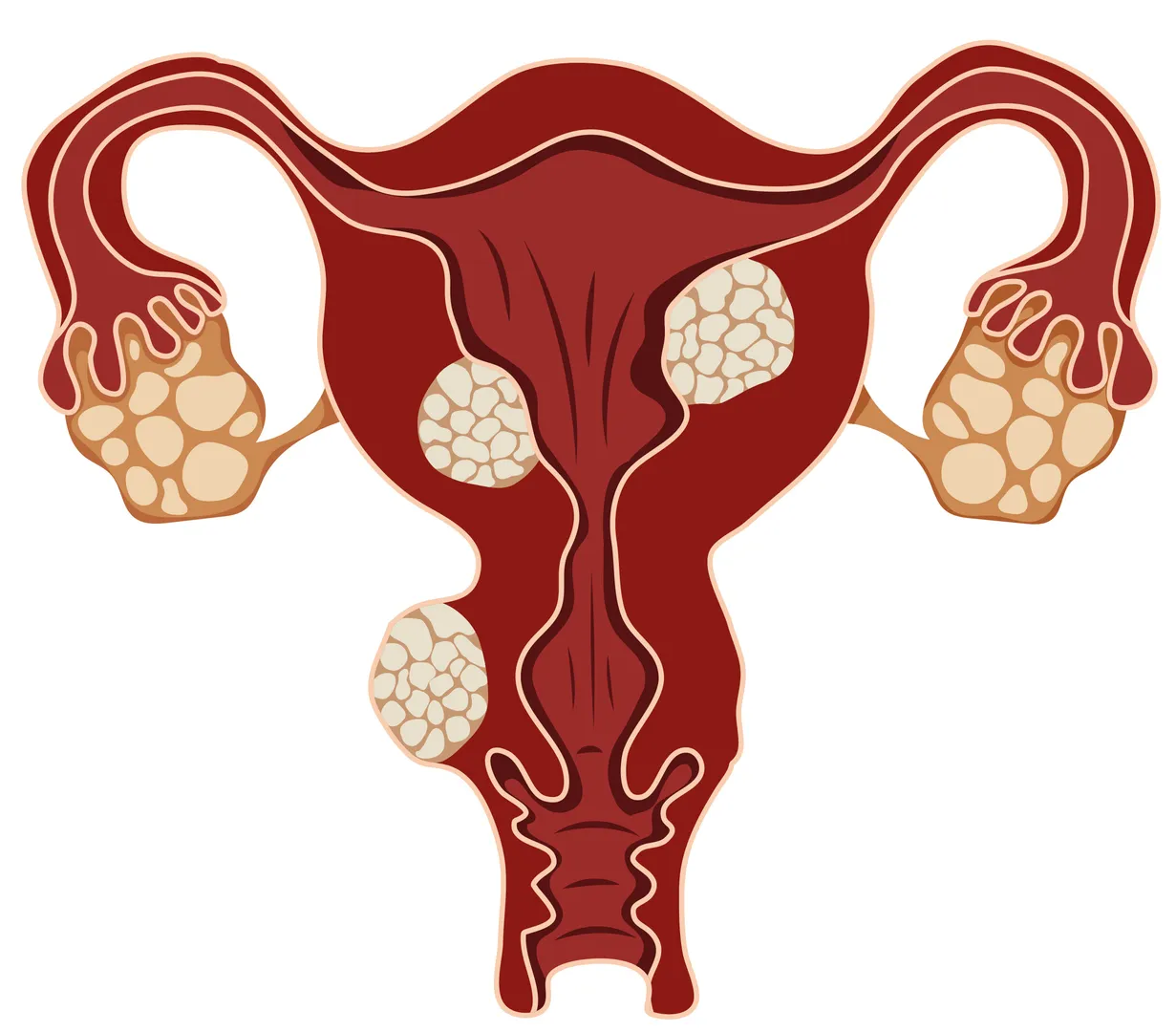
An ovarian cyst is a fluid-filled sac that develops on or inside an ovary. Many cysts form naturally during the menstrual cycle and disappear within a few weeks.
Others may persist, increase in size, or become associated with conditions that require treatment.
Most ovarian cysts are non-cancerous, particularly in younger women.
Different Types of Ovarian Cysts
Several types of ovarian cysts exist, and understanding the difference helps determine the appropriate treatment.
Common types include:
- Functional cysts
- Corpus luteum cysts
- Dermoid cysts
- Endometriomas
- Cystadenomas
- Polycystic ovaries associated with PCOS
Each type behaves differently, making proper diagnosis essential before beginning treatment.
Symptoms You Should Not Ignore
Small ovarian cysts often produce no symptoms. Larger cysts or complicated cysts may cause noticeable discomfort.
Symptoms can include:
- Pelvic pain
- Lower abdominal discomfort
- Bloating
- Feeling full quickly after eating
- Pain during intercourse
- Irregular menstrual cycles
- Pain during menstruation
- Difficulty conceiving in some cases
Sudden severe abdominal pain accompanied by nausea or vomiting may indicate a ruptured or twisted cyst and requires immediate medical care.
Can Ovarian Cysts Affect Fertility?
Most simple ovarian cysts do not reduce fertility.
However, fertility may be affected when cysts are associated with conditions such as:
- Endometriosis
- Polycystic ovary syndrome
- Large ovarian cysts requiring surgery
- Repeated ovarian surgeries affecting healthy ovarian tissue
A fertility-focused evaluation helps determine whether the cyst itself is affecting conception or if another underlying condition is responsible.
How Are Ovarian Cysts Diagnosed?
Doctors usually begin with a medical history and physical examination.
Additional investigations may include:
- Pelvic ultrasound
- Transvaginal ultrasound
- Blood investigations
- Hormone testing
- MRI when additional detail is required
These tests help identify the cyst's size, appearance, and potential risk.
Treatment Depends on the Individual
Treatment is not the same for every woman.
Doctors consider:
- Age
- Symptoms
- Cyst size
- Ultrasound findings
- Pregnancy plans
- Overall reproductive health
Possible treatment approaches include:
- Observation with repeat ultrasound
- Medication for symptom relief
- Hormonal management when appropriate
- Laparoscopic cyst removal
- Surgical management for larger or suspicious cysts
Many women recover quickly after minimally invasive treatment when surgery is indicated.
Healthy Habits That Support Reproductive Health
Although lifestyle changes cannot prevent every ovarian cyst, maintaining overall health contributes to better hormonal balance.
Helpful practices include:
- Regular physical activity
- Nutritious eating habits
- Healthy body weight
- Routine gynecological examinations
- Managing chronic medical conditions
- Seeking prompt medical advice for persistent symptoms
Regular follow-up is particularly important for women with recurrent ovarian cysts or hormonal disorders.
Expert Evaluation for Ovarian Cysts in Nashik
Receiving an accurate diagnosis allows women to avoid unnecessary treatment while ensuring that potentially serious conditions are managed appropriately. Bagul Nursing Home and Dr. Bagul's Hope IVF Center provides comprehensive gynecological care, advanced diagnostic services, and fertility-focused treatment planning for women with ovarian cysts and other reproductive health concerns.
Understanding your symptoms and consulting an experienced gynecologist at the right time can help preserve reproductive health, reduce complications, and support informed decisions about future pregnancy and overall well-being.
Keywords